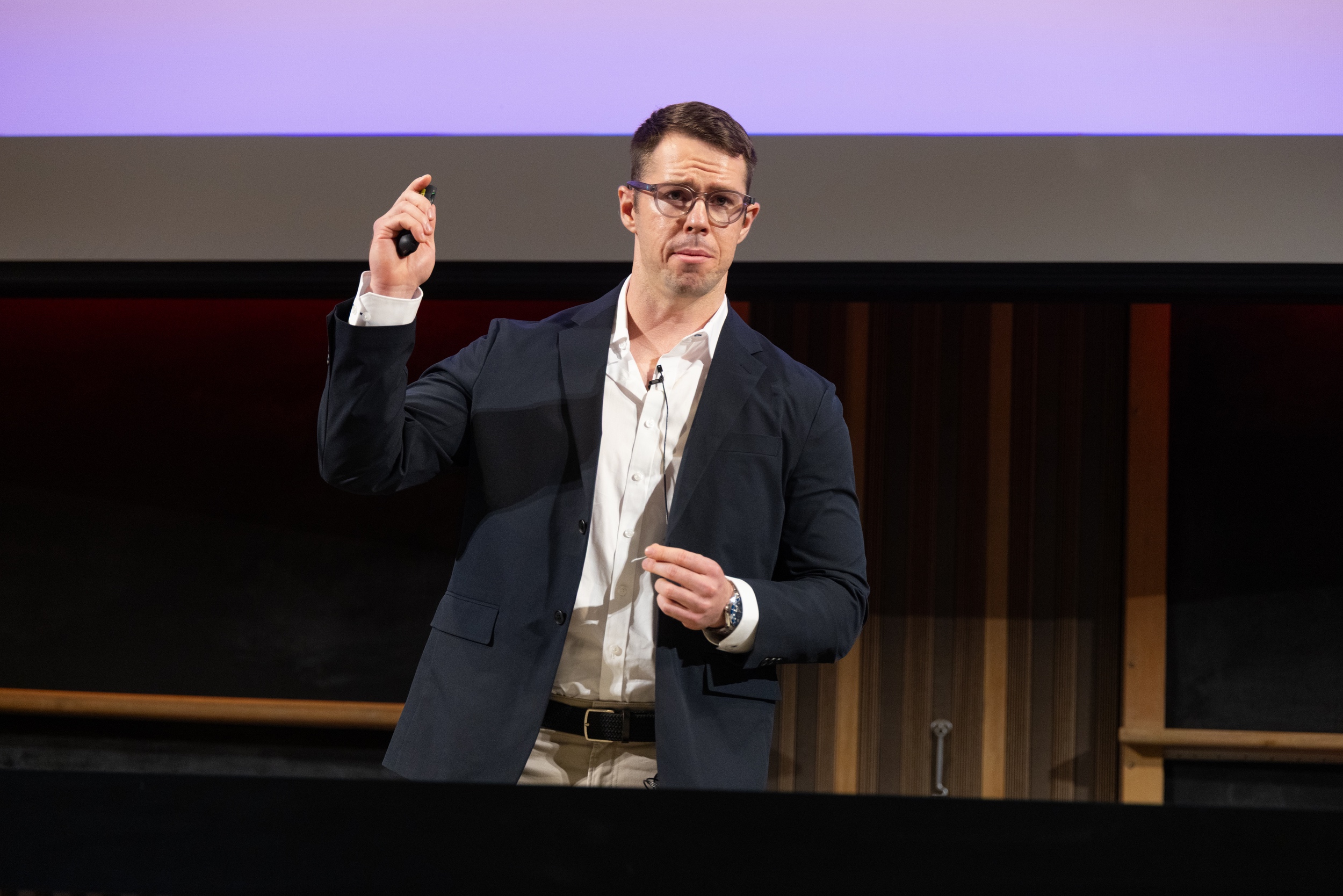
Since graduating from Palm Beach Currumbin State High School in 2013, Dr Jacob Thorstensen has taken his passion for sport, science and discovery on an incredible journey — from a PBC student involved in the Sports Excellence program to an Assistant Professor of Physiology and Neuroscience leading his own research laboratory.
After initially pursuing exercise science, Jacob discovered a passion for biomedical research and went on to complete an honours degree and PhD in neuroscience. His work has since focused on understanding how the brain controls movement and exploring new approaches to support people living with neurological injuries and conditions.
In this edition of The Next Chapter | PBC Alumni, Jacob reflects on his career journey, the influence of his time at PBC, and the advice he would share with current students.
Career & Achievements
· What have you been up to since graduating from PBC?
I graduated in 2013 and went on to study an exercise science degree, initially wanting to work in sports or healthcare. I quickly discovered biomedical research and completed an honours degree in neuroscience studying dopamine pathways in the brain. I found research intellectually challenging, but highly enjoyable, and decided to complete a PhD in neuroscience, where I studied how the brain and spinal cord control muscles. After completing my PhD, I worked as a postdoctoral research fellow at the QLD Children’s Hospital. Here, I helped design and trial non-invasive brain stimulation therapies to help kids with acquired brain injuries (i.e., strokes and severe concussions) recover after injury. I am now employed as a full-time academic, where I lead my own brain stimulation laboratory and lecture to medical students.
· What is your current role, and what does it involve?
I am an Assistant Professor of Physiology and Neuroscience at Bond University. I divide my time between research and teaching. My research uses brain stimulation to study how the brain works, and how this is affected with neurological injury or disease. I am also investigating how brain stimulation can change the structure and function of the brain, and if this can treat movement disorders caused by damage to the brain/spinal cord. For example, our lab has recently received funding from Multiple Sclerosis (MS) Australia, where we are investigating whether a specific type of brain stimulation can help reduce muscle weakness and fatigue in people with MS. In addition to research, I also teach medical science to 1st and 2nd year medical students. If any PBC graduates get into medicine at Bond, then I look forward to seeing you in class!

· What have been some of your career highlights or achievements so far?
I think the things that stand out most are some of the scientific discoveries that I have made. Specifically, I have been very fortunate to publish papers in leading neuroscience journals that have been cited by other researchers. Although scientists don’t work for external accolades, I have received some cool awards. In 2024 I was included in the prestigious Forbes 30 Under 30 list, and in 2025 I won the Konica Minolta Career Achievement Award as part of the QLD 7NEWS Young Achiever Awards.
· Did you pursue further studies after school? If so, what did you study?
At school, I always wanted to go to university, but no one would have guessed for how long! I ended up studying a bachelor of exercise science (3 years), an honours degree (1 year), and a PhD (~4 years).
· How did your time at PBC help prepare you for your career?
The funny thing is, I wasn’t so academically inclined in high school. I was more interested in sports and fitness. I was in the sports excellence program for football (soccer), and I really enjoyed this. I think the PBC sports excellence program taught me to push my limits physically and mentally, and perhaps also equipped me with some important skills like teamwork and discipline that I use today in my career as an academic scientist. It also helped me establish an interest in the sports sciences, which was why I decided to go to university in the first place.
School Memories & Experience
· What are some of your fondest memories from your time at PBC?
There are a lot, but I loved travelling around South-East Queensland to play other schools in soccer, and just being a part of the sports excellence soccer program where I had many friends and had lots of fun every day. I also loved that we got the ability to canoe in Currumbin Creek for PE class, and I really enjoyed our Year 12 biology excursion to North Stradbroke Island.
· Were there any teachers or staff members who had a significant impact on you?
The entire sports excellence teachers were great. I remember John Costello, Luke Morley, and Shane Robinson in particular.
· What activities, clubs, or sports were you involved in at school?
I tried to participate in as much sports as possible. I was in sports excellence for soccer and represented the school for cross country.
· If you could give advice to your high school self, what would it be?
I would tell myself that although it is great to think about the future, and learn from the past, try to appreciate the present moment. Life moves quick, so make some time to appreciate where you are currently at and acknowledge the simple things. I would also tell myself to stop overthinking things and to strive for imperfection. The most productive people I have met that achieve remarkable things are not always the smartest, they are those that get things done in a quick and timely fashion.
Advice & Reflections
· What advice would you give to current students who are considering a similar career path?
Becoming a neuroscientist/academic requires hard work over many years. However, I think it is one of the coolest jobs. You have a lot of autonomy and can dictate your own schedule/s, the freedom to work on problems or ideas that interest you, and you get to travel to cool locations around the world. I would
highly encourage anyone interested in neuroscience to pursue it as a career. The prevalence of neurological diseases and disorders is on the rise, and many of these diseases/disorders do not have effective treatments or cures. Hence, we need many more people with PhDs to help develop these much-needed treatments and cures which will help many Australians. This could be you!
· Looking back, is there anything you wish you had done differently during your school years?
Not necessarily, I think my experience/s at school have shaped me into the person I am today, and I wouldn’t want to change that!
· How do you stay connected with your former classmates or the school community?
I have been very bad at this. After graduation, everyone goes off in different directions and does their own thing. It is hard to maintain relationships from high school without a bit of active effort. However, if any of my classmates would like to reconnect, please reach out to me! I am also looking to become more engaged with the PBC community, so if there are any opportunities please get in contact.
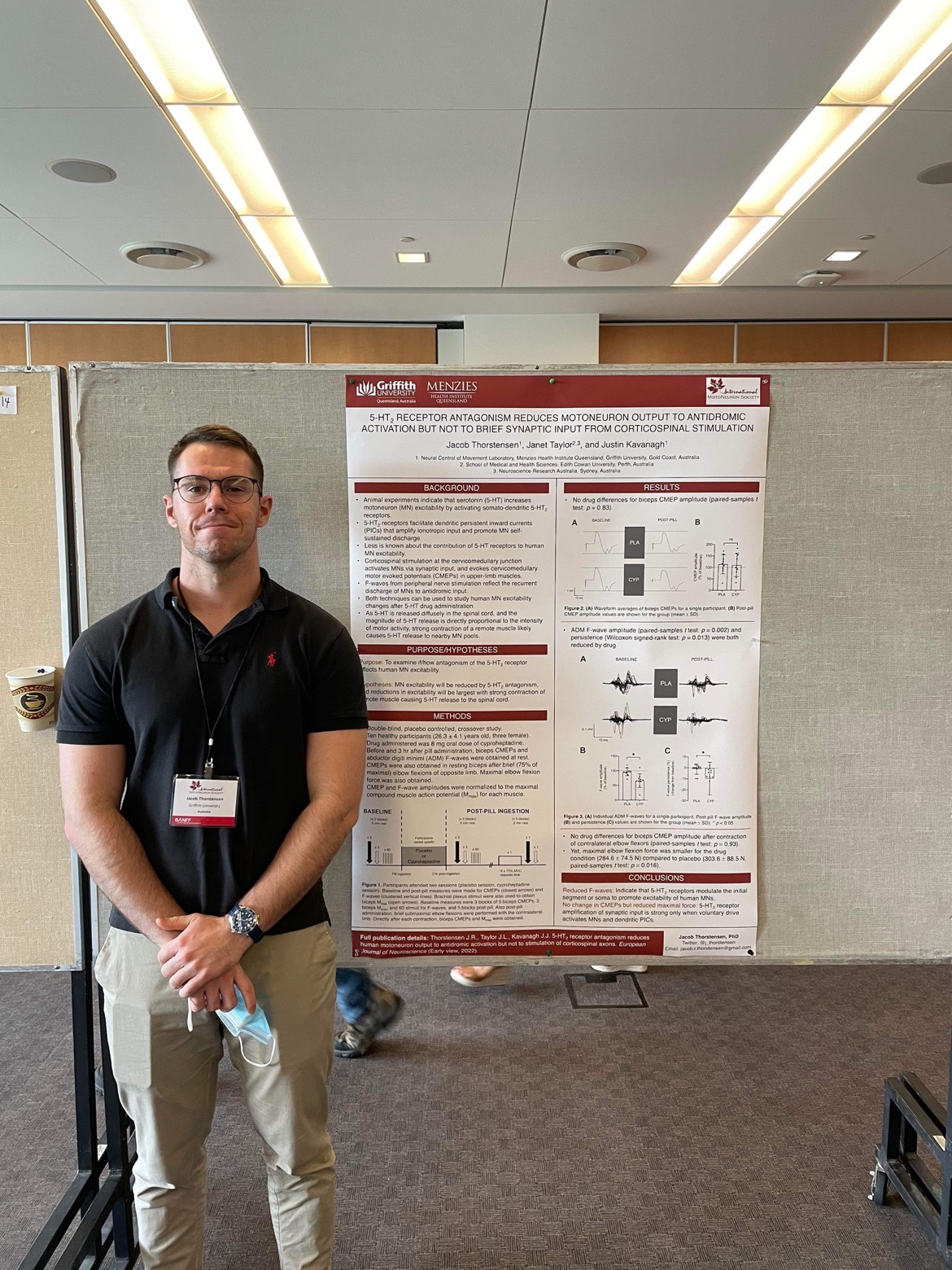
Jacob’s journey is a great example of how following your interests, embracing opportunities and continuing to learn can open doors to an exciting and meaningful career.
From his early experiences in PBC’s Sports Excellence program to his current work advancing neuroscience research and educating future medical professionals, Jacob continues to make a difference through curiosity, dedication and innovation.
We thank Dr Jacob Thorstensen for sharing his story and inspiring the next generation of PBC students to pursue their own unique pathways.
The Next Chapter | PBC Alumni celebrates the achievements, experiences and stories of our graduates as they continue to make their mark.
Nil Sed Optima | Nothing but the best |Always a red